Back To Blogs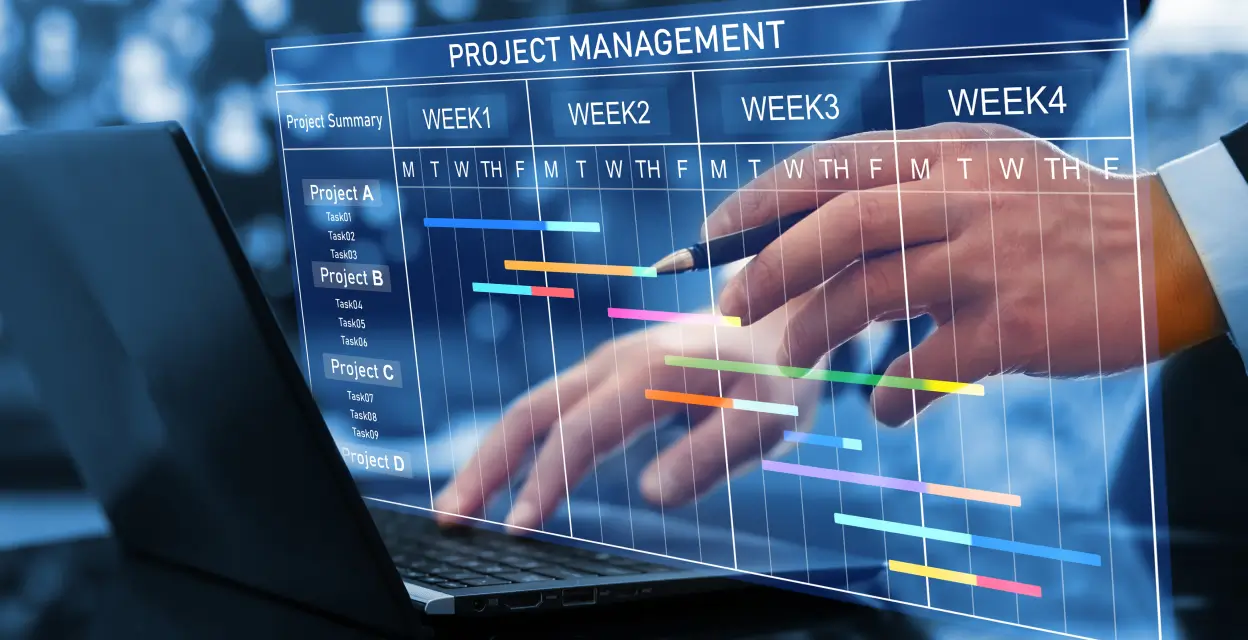
Effective Project Management in Engineering: Best Practices for Success
Effective project management is critical in the engineering sector, where complex projects often involve significant investments, tight deadlines, and high stakes. To ensure successful outcomes, engineering firms must adopt best practices that enhance efficiency, minimize risks, and foster collaboration among stakeholders. This article highlights key strategies for managing engineering projects effectively, focusing on risk management, stakeholder engagement, and operational efficiency.
Comprehensive Project Planning
A well-defined project plan serves as the foundation of successful project management. It should establish clear objectives, define project scope, and set realistic timelines and budgets. Integrating risk management strategies early in the planning phase helps identify potential challenges before they escalate.
- Define Objectives: Establish SMART goals—specific, measurable, achievable, relevant, and time-bound—to guide project execution.
- Scope Management: Clearly define the project boundaries to prevent scope creep, which can lead to delays and additional costs.
- Resource Allocation: Identify and allocate essential resources—including personnel, equipment, and materials—to ensure smooth project execution.
Effective Risk Management
Risk management is a cornerstone of engineering project success. By identifying, analyzing, and mitigating risks, project teams can reduce delays, minimize cost overruns, and ensure operational continuity.
- Risk Identification: Conduct brainstorming sessions and stakeholder interviews to identify potential technical, financial, schedule, resource, quality, and safety risks.
- Risk Analysis: Evaluate the likelihood and potential impact of risks using qualitative and quantitative methods, prioritizing those with the greatest potential effect.
- Mitigation Strategies: Develop contingency plans, adopt new technologies, or increase resource allocation to address identified risks proactively.
Stakeholder Engagement
Engaging stakeholders throughout the project lifecycle ensures alignment and support, while effective communication fosters collaboration and manages expectations.
- Identify Stakeholders: Map all project stakeholders, including clients, team members, suppliers, and regulatory authorities.
- Regular Communication: Implement a structured communication plan with updates, progress reports, and meetings to keep stakeholders informed.
- Feedback Mechanisms: Provide avenues for stakeholders to share feedback and raise concerns, helping to address issues proactively.
Leverage Advanced Project Management Tools
Technology can significantly enhance project management efficiency. Advanced tools streamline workflows, improve communication, and enable real-time monitoring of project progress.
- Project Management Software: Utilize platforms like Microsoft Project, Trello, or Asana for task management, scheduling, resource allocation, and reporting.
- Data Analytics: Analyze project performance metrics to identify trends, inform decision-making, and refine strategies.
Continuous Monitoring and Evaluation
Regular monitoring and evaluation are essential to ensure projects remain on track. Tracking performance against established metrics allows for timely adjustments and optimization.
- Performance Metrics: Define KPIs such as budget adherence, schedule compliance, and quality standards to measure project success.
- Regular Reviews: Conduct periodic assessments to identify areas for improvement and maintain alignment with project objectives.
Foster a Culture of Collaboration
Collaboration among team members and stakeholders enhances project outcomes by promoting knowledge sharing, innovation, and effective problem-solving.
- Team Building: Invest in activities that strengthen relationships and communication among team members.
- Encourage Open Dialogue: Create a safe environment for sharing ideas and concerns, fostering effective problem-solving and project success.
Conclusion
Implementing best practices for project management in engineering is essential for achieving successful project outcomes. By focusing on comprehensive planning, proactive risk management, stakeholder engagement, and leveraging technology, engineering firms can enhance efficiency, reduce risks, and drive project success. Continuous monitoring and a collaborative culture further ensure projects are delivered on time, within budget, and to the highest quality standards.